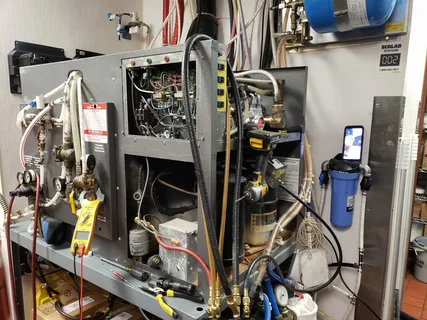
An ice machine that stops producing ice, leaks water, or makes ice with an unusual taste can quickly become a problem for a home or business. These machines depend on a steady water supply, proper cooling, clean internal components, and functioning controls. When one part of the system fails, ice production and quality can suffer.
Many ice machine problems develop gradually. Mineral deposits, clogged filters, poor airflow, and neglected cleaning can affect performance long before the machine stops working completely. Recognizing the early warning signs helps you address minor issues before they lead to more extensive repairs.
Best Appliance Repairs helps customers address appliance problems and restore proper operation. Understanding the causes of common ice machine issues can also help you know which maintenance tasks to perform and when professional repair may be necessary.
1. Ice Machine Not Making Ice
One of the most frustrating problems is an ice machine that runs but produces no ice. You may hear the machine operating while the storage bin remains empty.
Several issues can interrupt ice production, including a closed water supply valve, a clogged filter, a blocked water line, or a sensor that incorrectly detects a full bin. Internal problems with the water inlet valve, thermostat, control board, or refrigeration system can also prevent ice from forming.
How to prevent it:
- Make sure the water supply remains open and the line is not kinked.
- Replace water filters according to the manufacturer’s schedule.
- Keep the ice bin and sensor area free of obstructions.
- Pay attention to warning lights or error codes.
- Arrange professional service if basic checks do not restore ice production.
If the machine repeatedly stops making ice, avoid restarting it over and over without identifying the cause. A recurring shutdown may indicate a component that needs attention.
2. Ice Production Is Slower Than Usual
An ice machine may continue working but produce less ice than it normally does. This can be especially inconvenient when a household or business depends on a steady supply.
Restricted airflow is a common cause. Dust and grease can accumulate on condenser coils, making it harder for the machine to release heat. High room temperatures, insufficient ventilation, mineral buildup, and restricted water flow can also lengthen the ice-making cycle.
The machine’s rated production capacity is usually based on specific air and water temperatures. Actual output may decrease when operating conditions become warmer.
How to prevent it:
Keep the area around the machine’s vents clear and follow the manufacturer’s instructions for cleaning the condenser. Check the water filter and maintain the recommended water supply conditions. Avoid placing the unit in an excessively hot or poorly ventilated area unless it is designed for that environment.
If production remains low after routine maintenance, a technician can inspect the cooling system, water flow, and operating controls.
3. Ice Cubes Are Small, Hollow, or Misshapen
Ice cubes that are smaller than usual or have an unusual shape may indicate that the machine is not receiving enough water or is not freezing it properly.
A clogged filter can restrict water flow. Low water pressure, mineral scale, a malfunctioning inlet valve, or an issue with the water distribution system may also affect cube formation. Some variations in ice shape are normal for certain machine designs, so compare the results with the manufacturer’s expected output.
How to prevent it:
Check the water filter’s replacement schedule and make sure the supply line is not restricted. Use an appropriate filtration system for your water conditions, and have the machine descaled when recommended by the manufacturer.
Do not use household cleaning chemicals or unapproved descalers inside the machine. The wrong product can damage internal surfaces and contaminate ice.
4. Ice Looks Cloudy or Has an Unusual Taste
Clear, clean-looking ice is not just about appearance. Cloudiness, unpleasant odors, or an unusual taste can signal mineral buildup, an overdue filter change, or a machine that needs cleaning and sanitizing.
Cloudy ice is not always a sign of contamination. Dissolved minerals and trapped air can affect its appearance. However, ice with a musty smell, visible slime, or other signs of contamination should not be used until the machine has been properly cleaned and the cause addressed.
Ice can also absorb odors from food, cleaning products, or other materials stored nearby.
How to prevent it:
- Clean and sanitize the machine and storage bin according to the manufacturer’s instructions.
- Replace the water filter when required.
- Keep the ice bin covered and store the scoop in a clean, protected location.
- Never handle ice with bare hands or use a drinking glass as a scoop.
- Investigate persistent odors or unusual discoloration before using the ice again.
Cleaning and sanitizing serve different purposes. Follow the full procedure specified for your model rather than assuming that removing mineral deposits alone is sufficient.
5. Water Leaking Around the Ice Machine
Water around an ice machine can damage nearby flooring, cabinets, or other equipment if the problem is ignored. It may also create a slipping hazard.
Leaks can come from loose water connections, damaged supply lines, blocked drains, a malfunctioning drain pump, or an improperly leveled machine. Condensation can also create moisture around a unit operating in a warm, humid environment.
How to prevent it:
Inspect accessible supply lines and connections for visible moisture. Keep the drainage area clear and ensure the machine is installed level according to its specifications. Do not pull apart internal components to locate a leak.
If water is near electrical components, avoid touching the equipment. Shut off the water supply if it is safe to do so, disconnect power only if you can do so safely, and arrange professional assistance. A persistent leak should be repaired promptly to prevent further damage.
6. Ice Machine Freezes Up or Ice Gets Stuck
Sometimes ice forms inside the machine but fails to release properly into the storage bin. Ice may accumulate around the evaporator, bridge across sections of the machine, or form into a solid mass.
Possible causes include mineral scale, a faulty sensor, restricted water flow, a blocked harvest mechanism, or a problem with the machine’s temperature controls. Ice buildup in the storage bin can also interfere with sensors and moving components.
How to prevent it:
Follow the recommended cleaning and descaling schedule. Keep the storage bin clean and avoid allowing excess ice to obstruct sensors or the ice-release mechanism.
Do not chip away at frozen components with sharp tools or force a stuck mechanism. This can damage the evaporator or other parts. If the problem returns after the machine has been cleaned according to its instructions, professional diagnosis is the safer option.
7. Ice Machine Makes Unusual Noises
A humming sound or the noise of water moving through the machine may be normal. However, new grinding, rattling, squealing, or repeated clicking deserves attention.
Possible causes include a loose panel, a fan obstruction, a worn pump, a failing motor, or ice interfering with moving parts. A machine that is not level may also vibrate more than usual.
How to prevent it:
Keep the surrounding area free of objects that could block vents or vibrate against the machine. Check that accessible exterior panels are secure, following the manufacturer’s guidance.
If the noise is loud, sudden, or accompanied by reduced ice production, leaks, or overheating, stop using the machine if necessary and arrange a service inspection. Electrical and mechanical components should be examined by a qualified technician.
8. Mineral Scale and Internal Buildup
Hard water contains minerals that can gradually form deposits inside an ice machine. Scale may collect on water-contact surfaces and the evaporator, interfering with heat transfer and ice release. Dirt and organic buildup can also affect sanitation and performance.
The problem may develop slowly, so the machine can appear to work normally while its production becomes less efficient.
How to prevent it:
Use a water filter suitable for the machine and local water conditions. Clean and descale the unit at the intervals specified by its manufacturer, adjusting the schedule when hard water or heavy use requires more frequent service.
For machines used in restaurants or other food-service settings, follow the applicable food-safety requirements for cleaning and sanitizing. Professional maintenance can help identify deposits or worn parts that routine cleaning does not resolve.
A Simple Ice Machine Maintenance Routine
Preventive maintenance does not need to be complicated, but it should be consistent. Use the following checklist as a starting point and adjust it to your machine’s manual.
| Maintenance task | Recommended approach |
|---|---|
| Water supply | Check for restrictions or visible leaks regularly |
| Water filter | Replace according to the filter and machine specifications |
| Ice bin | Clean and sanitize as directed |
| Condenser and vents | Inspect for dust, grease, and blocked airflow |
| Drainage | Check for slow drainage, standing water, or overflow |
| Internal cleaning and descaling | Follow the manufacturer’s schedule |
| Performance checks | Watch for changes in ice size, taste, production, or noise |
The appropriate schedule varies by model, water quality, operating environment, and usage. A busy commercial machine may require more frequent attention than a lightly used household unit.
When to Call for Professional Ice Machine Repair
Some problems can be addressed through routine cleaning or simple external checks. Others require tools, technical training, and knowledge of the machine’s refrigeration and electrical systems.
Contact a qualified appliance repair technician if your ice machine repeatedly stops producing ice, continues leaking, freezes up after cleaning, makes unusual mechanical noises, or displays persistent error codes. Problems involving the compressor, refrigerant circuit, electrical wiring, or internal controls should not be treated as do-it-yourself repairs.
A technician can inspect the machine, identify the source of the problem, and explain whether repair is appropriate. Addressing the actual cause is more effective than repeatedly resetting the unit or replacing parts without proper diagnosis.
Why Choose Best Appliance Repairs?
A dependable repair process starts with identifying the reason an appliance is not working as expected. Replacing a filter may help with restricted water flow, but it will not correct a failed valve or a refrigeration problem. Accurate diagnosis helps ensure that the recommended repair matches the fault.
Best Appliance Repairs can be considered when an ice machine or another appliance needs professional attention. Before approving service, explain the symptoms, when the issue began, and whether the machine has recently been cleaned or serviced. These details can help guide the inspection.
Final Thoughts
Common ice machine problems include low ice production, misshapen cubes, unusual taste or odor, water leaks, freezing, and abnormal noises. Many of these issues can be reduced through proper filtration, regular cleaning, clear airflow, and attention to early warning signs.
When routine maintenance does not solve the problem, professional repair can help identify the underlying fault and prevent unnecessary damage. Consistent care and timely service help keep an ice machine operating reliably and producing ice suitable for its intended use.